
3000 calorie meal plan pdf
A 3000 calorie meal plan, often sought in PDF format, is designed for significant weight gain or to fuel intense physical activity․
It’s a nutrient-dense approach, supporting muscle growth and overall health through carefully planned meals and snacks․
Why Choose a 3000 Calorie Diet?
Opting for a 3000 calorie diet, frequently accessed as a PDF guide, is primarily for individuals needing to increase their caloric intake substantially․ This is common for those with fast metabolisms, athletes in heavy training, or individuals aiming for rapid weight gain․
Unlike standard diets focused on restriction, a 3000 calorie plan emphasizes nutrient-rich foods to support muscle growth and recovery․ It provides the energy needed for intense workouts and daily activities․ Many seek downloadable PDFs for structured meal plans, ensuring they consistently meet their higher caloric needs, promoting effective ‘bulking’ or recovery from undernourishment․
Who Benefits from a High-Calorie Diet?
A high-calorie diet, often detailed in a 3000 calorie meal plan PDF, is most beneficial for specific groups․ Athletes, particularly those engaged in strength training or endurance sports, require increased fuel for performance and recovery․ Individuals with naturally high metabolisms struggle to maintain weight and benefit from the surplus․
Those recovering from illness or surgery, or those who are significantly underweight, also require a calorie surplus to rebuild tissue and regain health․ Severely undernourished individuals may even experience faster weight gain – up to 4 pounds weekly – with a carefully managed plan․ A PDF provides structure for these needs․

Understanding Calorie Needs
Determining individual calorie requirements is crucial when utilizing a 3000 calorie meal plan PDF․ Factors like BMR, activity level, and macronutrient ratios influence optimal intake․
Calculating Your Basal Metabolic Rate (BMR)
Your Basal Metabolic Rate (BMR) represents the calories your body burns at rest․ Accurately estimating this is fundamental when following a 3000 calorie meal plan, often accessed as a PDF guide․ Several formulas exist, with the Mifflin-St Jeor equation being widely recommended for its precision․
For men: BMR = (10 x weight in kg) + (6․25 x height in cm) ⎯ (5 x age in years) + 5
For women: BMR = (10 x weight in kg) + (6․25 x height in cm) ⎼ (5 x age in years) ⎼ 161
Online BMR calculators are readily available, simplifying this process․ Knowing your BMR provides a baseline for determining total daily calorie needs, factoring in activity levels․
Activity Level and Calorie Adjustment
Once your Basal Metabolic Rate (BMR) is calculated – often detailed within a 3000 calorie meal plan PDF – it’s crucial to adjust for your activity level․ This determines your Total Daily Energy Expenditure (TDEE)․ Sedentary individuals (little to no exercise) multiply their BMR by 1․2, while lightly active people (light exercise 1-3 days/week) use 1․375․
Moderately active (3-5 days/week) multiply by 1․55, very active (6-7 days/week) by 1․725, and extra active (very intense daily) by 1․9․ Adding calories to your BMR based on activity ensures sufficient energy for both daily functions and workouts, maximizing gains․
Macronutrient Breakdown: Protein, Carbs, and Fats
A well-structured 3000 calorie meal plan PDF emphasizes a balanced macronutrient ratio․ For muscle gain, a common split is 40% carbohydrates, 30% protein, and 30% fats․ This translates to roughly 300g carbs, 225g protein, and 83g fats daily․
Prioritize complex carbohydrates for sustained energy, lean protein sources for muscle repair, and healthy fats for hormone production and overall health․ Adjust these ratios based on individual needs and training intensity, ensuring adequate intake to support your goals․
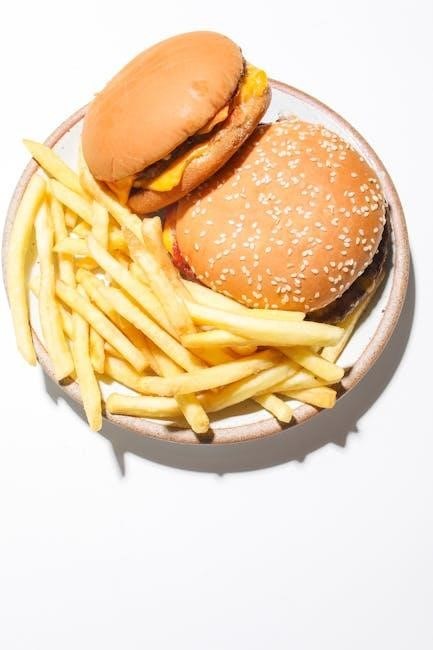
Sample 7-Day 3000 Calorie Meal Plan
This plan, often found as a downloadable PDF, provides a structured approach to reaching 3000 calories daily, featuring diverse, nutrient-rich meals for optimal results․
Day 1: Focus on Complex Carbohydrates
Day 1 of this 3000 calorie plan, frequently available as a PDF guide, prioritizes complex carbohydrates for sustained energy․ Begin with Peanut Butter Banana Oats for breakfast – a hearty and nutritious start․ Lunch features a Grilled Chicken Wrap with Hummus, providing protein and fiber․
Ensure ample portions to meet caloric needs․ Dinner consists of Salmon with Roasted Vegetables, offering healthy fats and essential nutrients․ Throughout the day, incorporate snacks like dates or mixed nuts to bridge gaps between meals and maintain consistent energy levels․ This day sets the foundation for a week of balanced, high-calorie intake․
Breakfast: Peanut Butter Banana Oats
Starting your 3000 calorie plan (often found as a downloadable PDF), a breakfast of Peanut Butter Banana Oats is a fantastic choice․ Combine 1 cup of rolled oats with 1․5 cups of milk (dairy or plant-based) and cook until creamy․ Add 1 sliced banana and 2 tablespoons of natural peanut butter for flavor and healthy fats․
This provides roughly 500-600 calories, a substantial start․ Consider adding a scoop of protein powder for an extra boost․ This breakfast delivers complex carbohydrates for sustained energy, crucial for a high-calorie diet focused on muscle gain or weight restoration․
Lunch: Grilled Chicken Wrap with Hummus
Continuing a 3000 calorie PDF meal plan, a Grilled Chicken Wrap with Hummus offers a balanced and convenient lunch option․ Use a large whole-wheat tortilla and fill it with 6-8 ounces of grilled chicken breast․ Spread 2-3 tablespoons of hummus inside for added calories and healthy fats․
Include plenty of spinach or mixed greens, and add some sliced vegetables like bell peppers and cucumbers․ This meal provides a good source of protein, complex carbohydrates, and fiber, contributing approximately 600-700 calories to your daily intake․
Dinner: Salmon with Roasted Vegetables
Following a 3000 calorie PDF plan, Salmon with Roasted Vegetables delivers essential nutrients and healthy fats for dinner․ Aim for a 6-8 ounce salmon fillet, rich in omega-3 fatty acids and protein․ Roast a generous serving (around 2 cups) of mixed vegetables like broccoli, sweet potatoes, and Brussels sprouts with 1-2 tablespoons of olive oil․
This combination provides approximately 700-800 calories, supporting muscle recovery and overall health․ Season the salmon and vegetables with herbs and spices for flavor, avoiding excessive salt․ It’s a satisfying and nutritious end to the day․
Day 2: Prioritizing Protein Intake
As outlined in a typical 3000 calorie meal plan PDF, Day 2 emphasizes protein for muscle repair and growth․ This is crucial for individuals bulking or recovering from intense workouts․ Focus on lean protein sources throughout the day, ensuring each meal contains a substantial portion․
Strategic protein intake maximizes anabolic processes․ This day’s plan incorporates approximately 150-200 grams of protein, distributed across breakfast, lunch, and dinner, alongside complex carbohydrates and healthy fats for sustained energy and overall nutritional balance․
Breakfast: Egg Omelette with Whole Wheat Toast
A 3000 calorie meal plan PDF frequently features an egg omelette with whole wheat toast as a protein-packed breakfast option․ Utilizing 3-4 eggs provides a substantial protein base, essential for muscle recovery and satiety․ Incorporate vegetables like spinach and peppers into the omelette for added nutrients and fiber․
Pairing this with two slices of whole wheat toast delivers complex carbohydrates for sustained energy․ A tablespoon of avocado or olive oil adds healthy fats, contributing to the overall calorie count and nutritional value of this foundational meal․
Lunch: Lean Beef Stir-Fry with Brown Rice
Many 3000 calorie meal plan PDFs highlight lean beef stir-fry with brown rice as an excellent lunch choice․ Approximately 6-8 ounces of lean beef provides a significant protein source, crucial for muscle building․ Stir-frying with a variety of colorful vegetables – broccoli, carrots, and bell peppers – boosts vitamin and mineral intake;
Serving this with 1-1․5 cups of cooked brown rice delivers complex carbohydrates for sustained energy throughout the afternoon․ A tablespoon of healthy oil, like sesame or olive oil, enhances flavor and contributes to the daily calorie goal․
Dinner: Chicken Breast with Sweet Potato and Broccoli
Numerous 3000 calorie meal plan PDFs recommend a dinner centered around chicken breast, sweet potato, and broccoli․ A generous 8-10 ounce portion of grilled or baked chicken breast delivers lean protein, vital for recovery and muscle repair․ Pairing this with a medium-sized baked sweet potato (around 300 grams) provides complex carbohydrates and essential vitamins․

Adding 1․5-2 cups of steamed or roasted broccoli contributes fiber and micronutrients․ A small serving of healthy fats, like a tablespoon of olive oil drizzled over the vegetables, completes a balanced and calorie-dense meal․
Day 3: Incorporating Healthy Fats
Many 3000 calorie meal plan PDFs emphasize the importance of healthy fats on Day 3․ These fats are calorie-dense and crucial for hormone production and overall health․ Meals should strategically include sources like avocados, nuts, seeds, and olive oil․ A focus on monounsaturated and polyunsaturated fats is key, avoiding excessive saturated and trans fats․
This day aims to boost caloric intake without relying solely on carbohydrates or protein․ Integrating these fats into breakfast, lunch, and dinner ensures sustained energy levels and supports the body’s nutritional needs throughout the day․
Breakfast: Greek Yogurt with Nuts and Berries
A typical 3000 calorie meal plan PDF often features Greek yogurt with nuts and berries as a nutritious breakfast option․ This combination provides a substantial protein boost from the yogurt, essential for muscle recovery and satiety․ Adding a generous portion of nuts contributes healthy fats and extra calories, while berries offer antioxidants and fiber․
This breakfast is quick to prepare and easily customizable․ Consider adding a drizzle of honey or a sprinkle of granola for additional carbohydrates and flavor, tailoring it to individual caloric needs and preferences․
Lunch: Tuna Salad Sandwich on Whole Grain Bread
Many 3000 calorie meal plan PDFs incorporate a tuna salad sandwich on whole grain bread as a convenient and calorie-rich lunch․ Tuna is an excellent source of lean protein, vital for muscle building and repair․ Utilizing whole grain bread provides complex carbohydrates for sustained energy throughout the afternoon․
Enhance the caloric density by adding mayonnaise or avocado to the tuna salad․ Pairing this sandwich with a side of fruit or a small salad increases nutrient intake and contributes to overall daily calorie goals․ It’s a balanced and satisfying midday meal․
Dinner: Avocado Pasta with Shrimp
Numerous 3000 calorie meal plan PDFs feature avocado pasta with shrimp as a flavorful and nutrient-packed dinner option․ Avocado provides healthy fats crucial for hormone production and overall well-being, significantly boosting the calorie count․ Shrimp is a lean protein source, supporting muscle recovery and growth․
Whole-wheat pasta adds complex carbohydrates for sustained energy․ Consider adding a drizzle of olive oil and a sprinkle of red pepper flakes for enhanced flavor and additional healthy fats․ This dish offers a satisfying and balanced end to the day, contributing to your caloric needs․

Indian 3000 Calorie Meal Plan
Many 3000 calorie meal plan PDFs incorporate Indian cuisine, utilizing staples like paratha, curd, rice, dal, and roti to achieve a high-calorie intake․
Breakfast Options: Paratha and Curd
Paratha and curd form a cornerstone of many Indian 3000 calorie meal plan PDFs, providing a substantial and culturally relevant start to the day․ Parathas, whole-wheat flatbreads, can be stuffed with potatoes, paneer, or other fillings to boost calorie density․ Combining two to three parathas with a generous serving of full-fat curd (yogurt) delivers a significant protein and carbohydrate punch․
Adding a tablespoon of ghee (clarified butter) to the paratha or curd further increases the calorie count and provides healthy fats․ This breakfast option is easily customizable and can be adapted to individual preferences, making it a practical choice for sustained energy throughout the morning․ It’s a traditional, satisfying, and effective way to begin a high-calorie diet․
Mid-Morning Snacks: Milk and Nuts
Many 3000 calorie meal plan PDFs emphasize the importance of frequent snacking to maintain a consistent calorie intake․ A mid-morning snack of milk and nuts is a convenient and nutritious option, bridging the gap between breakfast and lunch․ A glass of full-fat milk (approximately 250ml) provides protein, calcium, and carbohydrates, while a handful (around 30-50 grams) of mixed nuts delivers healthy fats, protein, and essential micronutrients․
Almonds, walnuts, and cashews are excellent choices․ This combination is easily portable and requires minimal preparation, making it ideal for individuals with busy schedules․ It’s a simple yet effective way to contribute significantly to the daily calorie goal and support muscle recovery․
Lunch Ideas: Vegetable Curry with Rice
A 3000 calorie meal plan PDF frequently features Indian cuisine, and vegetable curry with rice is a staple lunch option․ This provides a substantial calorie boost alongside essential nutrients․ A generous serving (around 2 cups) of cooked rice, preferably brown rice for added fiber, forms the base․ Combine this with a flavorful vegetable curry – including potatoes, peas, carrots, and cauliflower – cooked in a coconut milk-based sauce for healthy fats․
Adding paneer (Indian cheese) or lentils to the curry further increases the protein content․ This lunch is both satisfying and culturally relevant, contributing significantly to the daily calorie target while offering a diverse range of vitamins and minerals․
Dinner Suggestions: Dal and Roti
Many 3000 calorie meal plan PDFs incorporate traditional Indian dinners, with dal (lentil stew) and roti (whole wheat flatbread) being a common and nutritious choice․ A hearty portion of dal – approximately 1․5 to 2 cups – provides ample protein and fiber, aiding in satiety and muscle recovery․ Pair this with 3-4 rotis, ideally made with whole wheat flour for sustained energy release․
To increase the calorie density, add a tablespoon of ghee (clarified butter) to the dal or roti․ A side of yogurt can also enhance the meal’s nutritional profile and improve digestion, making it a balanced and fulfilling dinner option․
Tips for Successfully Following a 3000 Calorie Plan
Successful 3000 calorie meal plan adherence, often found in PDF guides, relies on consistent meal prepping, adequate hydration, and regularly tracking progress for adjustments․
Meal Prepping for Efficiency
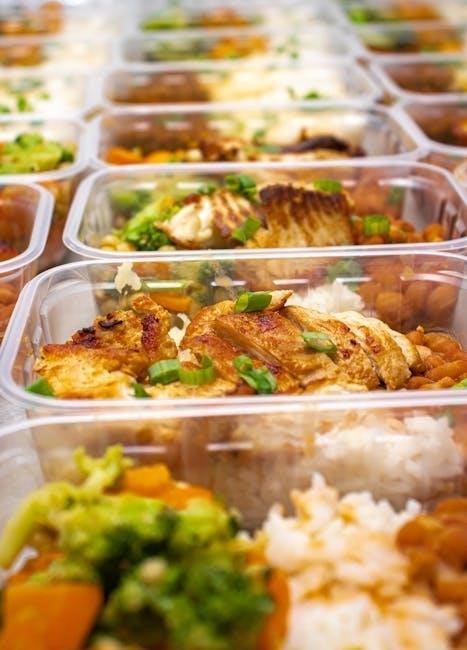
Efficiently managing a 3000 calorie meal plan, frequently accessed as a PDF, hinges on dedicated meal prepping․ Batch cooking proteins like chicken or beef, and preparing complex carbohydrates such as brown rice or sweet potatoes, saves significant time during the week․
Pre-portioning meals and snacks into containers ensures adherence to calorie goals and prevents impulsive eating․ Consider dedicating a few hours each week to this process․ Utilizing a detailed PDF plan as a guide streamlines the prepping process, ensuring all necessary ingredients are readily available․ This proactive approach minimizes stress and maximizes consistency, crucial for achieving desired results․
Hydration is Key
Alongside a 3000 calorie meal plan, often found as a downloadable PDF, adequate hydration is paramount․ Water plays a vital role in nutrient absorption, digestion, and overall bodily function, especially when consuming a high-calorie diet․
Aim for at least a gallon of water daily, increasing intake with physical activity․ Don’t mistake thirst for hunger, as dehydration can sometimes mimic those signals․ Keeping a water bottle readily available serves as a constant reminder․ A well-structured PDF plan may even include hydration reminders to support consistent water intake throughout the day․
Tracking Your Progress and Adjusting
When following a 3000 calorie meal plan, often accessed as a convenient PDF, consistent monitoring is crucial․ Regularly weigh yourself – ideally weekly – and observe changes in body composition․ A detailed PDF might include a progress tracker․
Adjust the plan based on your results; if weight gain stalls, slightly increase calorie intake․ Conversely, if gaining too rapidly, reduce portions modestly․ Pay attention to how your body feels – energy levels, digestion, and overall well-being․ Remember, a PDF is a guide, and personalization is key for optimal results․
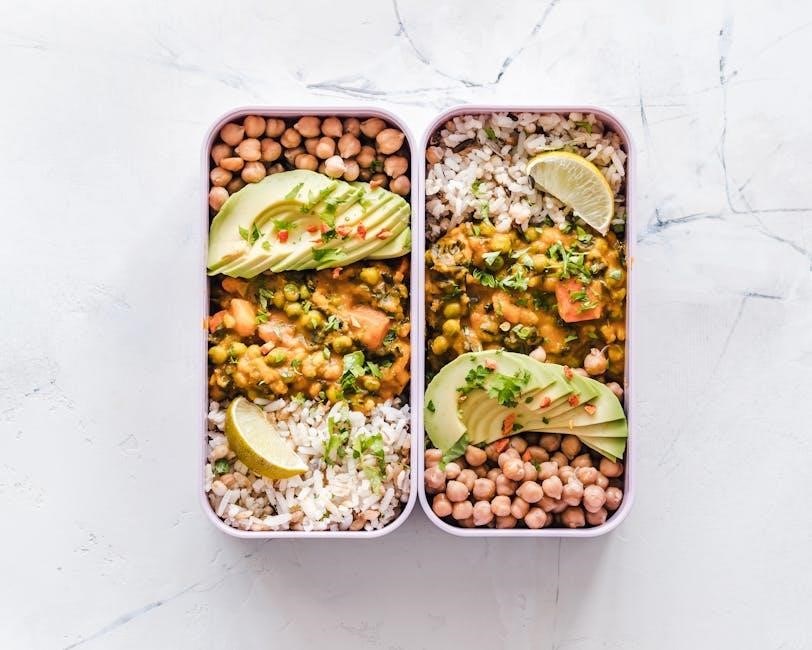
Foods to Include in Your 3000 Calorie Diet
A 3000 calorie meal plan PDF emphasizes high-protein sources, complex carbohydrates, and healthy fats to maximize nutrient intake and support weight gain goals․
High-Protein Sources
When following a 3000 calorie meal plan, often found as a PDF guide, prioritizing protein is crucial for muscle repair and growth; Excellent choices include lean meats like chicken breast and beef, alongside fish such as salmon․
Eggs are a versatile and affordable option, while dairy products like Greek yogurt and milk contribute significantly to daily protein intake․ Plant-based sources, such as lentils, beans, and tofu, are also valuable additions․
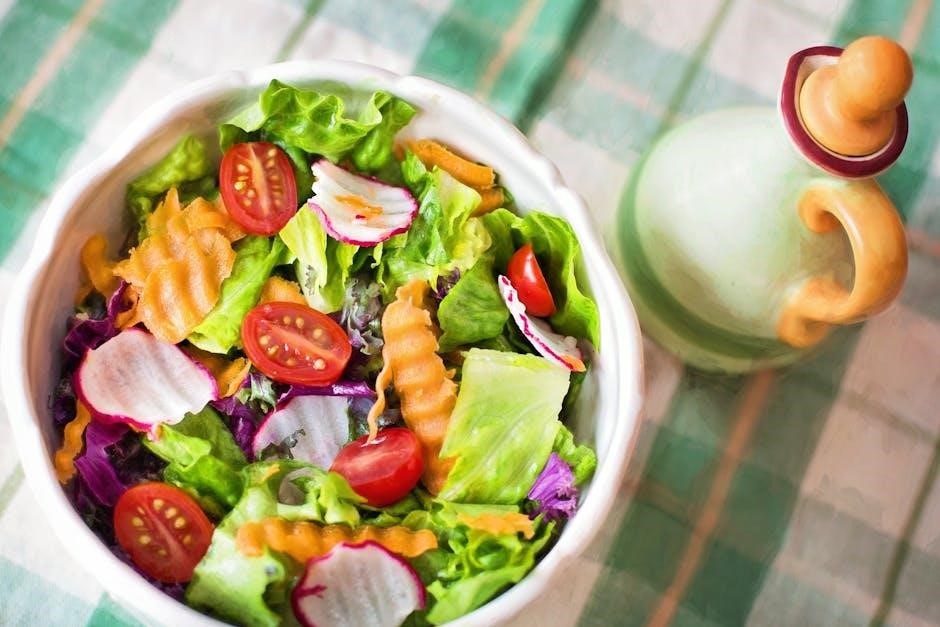
Incorporating these high-protein foods throughout the day ensures adequate amino acid supply, supporting the body’s needs during a calorie surplus․ Remember to distribute protein evenly across meals for optimal absorption and utilization․
Complex Carbohydrates for Sustained Energy
A 3000 calorie meal plan, frequently accessed as a PDF, relies heavily on complex carbohydrates for lasting energy․ Unlike simple sugars, these provide a slow and steady release, preventing energy crashes․
Excellent sources include brown rice, whole wheat bread, sweet potatoes, and oats․ These options are also rich in fiber, aiding digestion and promoting fullness․
Prioritize these over refined carbohydrates to maintain stable blood sugar levels and support consistent energy throughout the day․ Integrating complex carbs into each meal is vital for fueling workouts and daily activities effectively․
Healthy Fats for Overall Health
A 3000 calorie meal plan, often found as a downloadable PDF, incorporates healthy fats crucial for hormone production, nutrient absorption, and overall well-being․ These aren’t about avoiding fats, but choosing the right kinds․
Prioritize sources like avocados, nuts, seeds, and olive oil․ These provide essential fatty acids that support various bodily functions․ Including them ensures you’re meeting your caloric needs with nutrient-dense options․
Healthy fats also contribute to satiety, helping you feel fuller for longer, which is beneficial when consuming a higher calorie intake․

Potential Weight Gain Rate
A 3000 calorie meal plan PDF typically yields 0․5-2 pounds of weekly gain, though severely undernourished individuals may experience faster increases, up to 4 pounds․
Safe Weight Gain: 0․5-2 Pounds Per Week
Following a 3000 calorie meal plan, often accessed as a PDF, a healthy and sustainable weight gain rate generally falls between 0․5 to 2 pounds per week․ This pace prioritizes muscle mass over excessive fat storage, contributing to a more balanced physique․
Rapid weight gain, while tempting, can lead to increased body fat and potential health concerns․ Consistent monitoring and adjustments to the PDF meal plan are crucial․ Individual results may vary based on metabolism, activity levels, and starting weight․ Prioritizing nutrient-dense foods within the plan ensures optimal health during the weight gain process․
Faster Gain for Undernourished Individuals
Individuals significantly undernourished may experience a faster weight gain rate when following a 3000 calorie meal plan, often found as a downloadable PDF․ These individuals are essentially replenishing depleted reserves, allowing for gains up to 4 pounds weekly initially․
However, even in these cases, careful monitoring is vital․ A PDF meal plan should be adjusted based on progress and health indicators․ Prioritizing nutrient density remains crucial to support recovery and rebuild muscle tissue․ Consulting a healthcare professional or registered dietitian is highly recommended to ensure a safe and effective weight gain strategy tailored to individual needs․
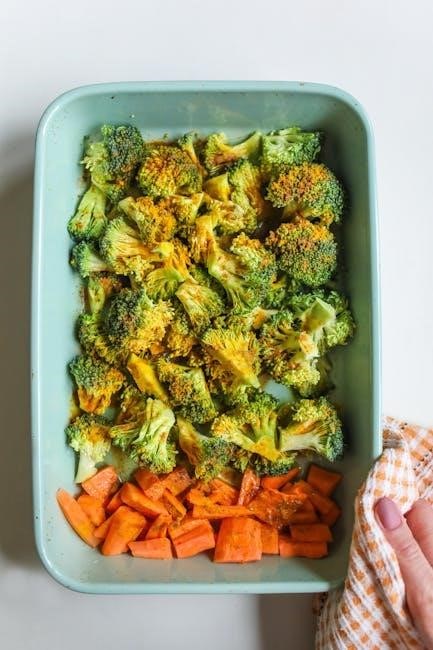
Sample Meal Breakdown (Detailed)
A 3000 calorie PDF plan might include 2 wheat bread slices with 2 tsp olive oil, 1 cup brown rice with 3 cups spinach, and lean protein sources․
Breakfast Example: 2 Slices Wheat Bread, 2 tsp Olive Oil
Starting your day with a calorie-dense breakfast is crucial on a 3000 calorie plan, as highlighted in many PDF guides․ Two slices of wheat bread provide complex carbohydrates for sustained energy, while 2 teaspoons of olive oil contribute healthy fats – essential for hormone production and overall well-being․ This combination delivers a substantial calorie boost early on, setting the stage for meeting daily goals․
Consider adding a protein source like eggs or peanut butter to further enhance the nutritional value and satiety of this breakfast․ This simple yet effective meal forms a foundational element within a comprehensive 3000 calorie diet, often detailed in downloadable plans․
Lunch Example: 1 Cup Cooked Brown Rice, 3 Cups Spinach
A substantial lunch is vital for maintaining energy levels throughout the afternoon when following a 3000 calorie meal plan, frequently outlined in PDF resources․ One cup of cooked brown rice offers complex carbohydrates for sustained fuel, while a generous 3 cups of spinach provide essential vitamins, minerals, and fiber․ This combination supports digestive health and nutrient intake․
To elevate the calorie count and protein content, pair this base with a lean protein source like grilled chicken or fish․ Many PDF guides emphasize the importance of balanced macronutrient ratios at each meal, making this a versatile and healthy lunch option․
Dinner Example: Lean Protein Source with Mixed Vegetables
Dinner, as detailed in many 3000 calorie meal plan PDFs, should prioritize recovery and continued nutrient intake․ A lean protein source – such as chicken breast, fish, or lean beef – is crucial for muscle repair and growth․ Complement this with a generous serving of mixed vegetables, providing essential vitamins, minerals, and fiber․
PDF guides often suggest incorporating healthy fats alongside protein and vegetables, like a drizzle of olive oil or a side of avocado․ This ensures adequate calorie consumption and supports overall health․ Portion sizes are key; adjust based on individual needs and activity levels․
Related Posts

vastus medialis exercises pdf
Download a free Vastus Medialis exercises PDF & boost knee stability! Targeted workouts, clear instructions, & illustrations. Get back to doing what you love – pain-free!

free printable black history skits and plays for church pdf
Inspire your congregation! Download free, printable Black History skits & plays for church performances. Powerful stories, easy to use – get your PDF now!

asi se dice level 2 textbook pdf
Need the *Así Se Dice* Level 2 textbook PDF? Get instant, reliable access to learning materials right here! Boost your Spanish skills today – it’s easy and free!