
special ed instructional assistant
What is a Special Education Instructional Assistant?
Special education instructional assistants provide crucial support within classrooms‚ aiding students with diverse learning needs and assisting teachers with daily tasks․
These dedicated professionals help bridge gaps‚ fostering inclusive learning environments and ensuring every student has opportunities to thrive academically and socially․
Currently‚ districts across states like Kansas and Oregon are actively seeking qualified individuals to fill these vital roles‚ highlighting the growing need․
Role Overview and Responsibilities
Instructional assistants in special education play a multifaceted role‚ directly supporting students and teachers to facilitate a successful learning experience․ Their responsibilities extend beyond simple classroom aid; they are integral to implementing Individualized Education Programs (IEPs)‚ providing one-on-one tutoring‚ and reinforcing lessons presented by the lead teacher․
A significant aspect of the role involves assisting with behavioral management‚ employing strategies to de-escalate situations and encourage positive interactions․ They often adapt learning materials‚ creating modified assignments to cater to individual student needs‚ ensuring accessibility and comprehension․ Furthermore‚ assistants contribute to maintaining a safe and organized classroom environment‚ preparing materials‚ and assisting with administrative tasks․
With staffing shortages impacting districts nationwide‚ as seen in Kansas‚ the demand for these professionals is exceptionally high․ They are essential in ensuring students with disabilities receive the support they deserve‚ contributing significantly to their academic and personal growth․
The Growing Demand for Special Ed Assistants
The need for special education instructional assistants is experiencing a substantial surge across the United States‚ driven by increasing identification rates of students with disabilities and a nationwide staffing crisis․ Reports from April 15‚ 2026‚ indicate significant shortages in states like Kansas‚ where districts struggle to fill crucial positions before the new school year begins․
This demand is further exacerbated by factors like increased awareness of learning differences and the ongoing need for individualized support․ School districts‚ such as Lubbock ISD‚ are actively hosting job fairs specifically targeting paraprofessional roles‚ demonstrating the urgency of the situation․ Oregon is responding with one-time bonuses‚ allocating $8․9 million to attract and retain special education staff․
These initiatives highlight the critical role assistants play and the challenges districts face in ensuring adequate support for all students․ The growing demand underscores the importance of this profession․

Qualifications and Training

Becoming a special education instructional assistant typically requires a high school diploma‚ with some positions preferring or requiring some college coursework or related experience․
Ongoing professional development is crucial for staying current with best practices and supporting diverse student needs effectively․
Educational Requirements
Generally‚ a high school diploma or its equivalent is the foundational educational requirement for most special education instructional assistant positions across the United States․
However‚ increasingly‚ school districts are prioritizing candidates with some level of post-secondary education‚ such as an associate’s degree or completion of coursework in education‚ child development‚ or a related field․
Some states or individual districts may mandate specific educational credentials‚ particularly for roles involving more complex student support needs․
Completion of a paraeducator training program‚ often offered by community colleges or educational service agencies‚ is becoming highly valued and‚ in some cases‚ required․
These programs provide essential knowledge of special education laws‚ instructional strategies‚ and behavioral support techniques‚ preparing assistants for the demands of the role․
The Lubbock ISD job fair specifically targets paraprofessionals‚ indicating a demand for individuals with foundational training․
Necessary Certifications and Credentials
While specific certification requirements vary significantly by state and district‚ several credentials are commonly sought after for special education instructional assistants․
Many states require completion of a state-approved paraeducator training program‚ often involving a set number of clock hours and a competency assessment․
Additional certifications‚ such as those in First Aid‚ CPR‚ and Crisis Prevention Intervention (CPI)‚ are frequently preferred or even mandated‚ ensuring assistants can respond effectively to emergencies and behavioral challenges;
Some districts may require assistants to pass a background check and obtain a fingerprint clearance card․
Depending on the level of student support provided‚ specialized training in areas like assistive technology or specific disability categories may be necessary․
The increasing demand‚ highlighted by staffing shortages in Kansas‚ suggests a willingness to invest in training for qualified candidates․
Ongoing Professional Development
Continuous learning is paramount for special education instructional assistants‚ given the evolving needs of students and best practices in the field․
Regular professional development opportunities ensure assistants remain current on effective instructional strategies‚ behavioral support techniques‚ and legal requirements․
Workshops focusing on specific disabilities‚ such as Autism Spectrum Disorder or learning disabilities‚ are highly valuable․
Training in de-escalation techniques and trauma-informed care is increasingly important‚ addressing the complex needs of students․
Districts‚ facing staffing shortages as seen in Kansas‚ often invest in professional development to retain and upskill existing staff․
Oregon’s bonus program‚ while a one-time incentive‚ underscores the value placed on qualified special education personnel and their continued growth․

Daily Tasks and Classroom Support
Instructional assistants directly support students‚ teachers‚ and IEP implementation through individualized assistance‚ material preparation‚ and behavioral support within the classroom setting․
Assisting with Individualized Education Programs (IEPs)
Instructional assistants play a pivotal role in the successful implementation of Individualized Education Programs (IEPs)․ They work closely with special education teachers to understand each student’s unique goals‚ accommodations‚ and modifications outlined in their IEP․
This often involves providing one-on-one support to help students achieve specific objectives‚ such as reading comprehension or math skills․ Assistants meticulously document student progress‚ noting observations and data that contribute to IEP reviews and adjustments․
They may also be responsible for preparing materials tailored to a student’s IEP‚ ensuring accessibility and promoting engagement․ Effectively assisting with IEPs requires a deep understanding of the student’s needs and a commitment to fostering their academic and personal growth‚ ultimately contributing to a more inclusive and supportive learning environment․
Behavioral Support Strategies
Special education instructional assistants are frequently on the front lines of implementing behavioral support strategies for students with diverse needs․ This requires a proactive and patient approach‚ focusing on positive reinforcement and de-escalation techniques․
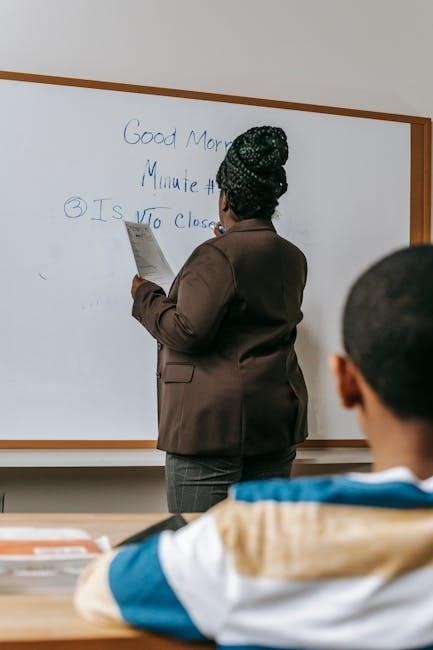
Assistants learn to recognize triggers for challenging behaviors and implement strategies outlined in a student’s Behavior Intervention Plan (BIP)‚ often collaborating closely with teachers and behavior specialists․ They may assist with social skills training‚ helping students navigate social interactions and manage emotions effectively․
Maintaining a calm and supportive classroom environment is crucial‚ and assistants play a key role in fostering this․ Consistent application of behavioral strategies‚ coupled with careful observation and documentation‚ is essential for promoting positive behavioral outcomes and student success․
Adapting Materials and Providing Modifications
Special education instructional assistants play a vital role in ensuring all students can access the curriculum‚ often requiring adaptation of materials and provision of modifications․ This goes beyond simple tasks; it demands understanding of individual student needs as outlined in their Individualized Education Programs (IEPs)․
Assistants may enlarge text‚ create visual aids‚ simplify instructions‚ or break down complex tasks into smaller‚ manageable steps․ They might also assist with assistive technology‚ ensuring students can utilize tools designed to support their learning․
Providing modifications‚ such as extended time on assignments or alternative assessment methods‚ is another key responsibility․ Effective adaptation requires creativity‚ flexibility‚ and a commitment to fostering an inclusive learning environment where every student can participate and succeed․

Working with Diverse Disabilities
Special education instructional assistants support students with a wide range of disabilities‚ including autism‚ learning differences‚ and physical impairments‚ requiring adaptable strategies․
They collaborate with educators to implement individualized plans‚ fostering inclusive classrooms and maximizing each student’s potential for growth․
Supporting Students with Autism Spectrum Disorder
Instructional assistants play a pivotal role in supporting students with Autism Spectrum Disorder (ASD)‚ requiring patience‚ understanding‚ and specialized techniques․ They assist in implementing strategies to promote communication‚ social interaction‚ and emotional regulation․
This often involves utilizing visual supports‚ creating structured environments‚ and reinforcing positive behaviors․ Assistants help students navigate social situations‚ interpret cues‚ and manage sensory sensitivities․ They work closely with teachers and specialists to implement Individualized Education Programs (IEPs)‚ ensuring goals are met․
Furthermore‚ they provide one-on-one support during academic tasks‚ adapting materials as needed‚ and fostering a sense of safety and predictability․ The demand for qualified assistants in special education‚ particularly for ASD support‚ is currently high‚ as evidenced by staffing shortages across multiple states․
Assisting Students with Learning Disabilities
Instructional assistants are instrumental in helping students with learning disabilities succeed academically․ They provide targeted support in areas like reading‚ writing‚ and math‚ often working in small groups or one-on-one to reinforce concepts and build skills․
This support includes breaking down complex tasks into smaller‚ manageable steps‚ providing multi-sensory instruction‚ and offering assistive technology solutions․ Assistants help students with organization‚ time management‚ and study skills‚ fostering independence and self-advocacy․
They collaborate with teachers to adapt materials and assessments‚ ensuring accessibility for all learners․ Given the current special education staffing shortages‚ particularly impacting program challenges like those seen in Corpus Christi ISD‚ these assistants are more crucial than ever in ensuring students receive the individualized attention they deserve․
Supporting Students with Physical Disabilities
Instructional assistants play a vital role in creating inclusive learning environments for students with physical disabilities․ Their support extends beyond academics‚ encompassing mobility assistance‚ personal care‚ and facilitating participation in classroom activities․
This often involves assisting with positioning‚ transfers‚ and the use of adaptive equipment‚ ensuring students can access the curriculum and engage with their peers․ Assistants collaborate with therapists to implement individualized plans and promote independence․
They proactively address accessibility barriers‚ advocating for modifications to the physical environment and instructional materials․ With districts like those in Kansas struggling to fill special education roles‚ the dedication of these assistants is paramount․ The demand‚ coupled with potential bonuses like those in Oregon‚ underscores the importance of attracting and retaining qualified personnel to support these students․

Challenges and Rewards
Instructional assistants face demanding workloads and emotional complexities‚ yet experience profound fulfillment witnessing student growth and building meaningful connections within the classroom․

Common Challenges Faced by Instructional Assistants
Instructional assistants in special education frequently encounter a complex array of challenges demanding resilience and adaptability․ Staffing shortages‚ particularly evident as of April 15‚ 2026‚ create heavier workloads and increased pressure to provide individualized attention․
Maintaining consistent behavioral support can be difficult‚ requiring patience and de-escalation skills․ Adapting to diverse student needs‚ coupled with navigating Individualized Education Program (IEP) requirements‚ adds to the complexity․
Districts like Corpus Christi ISD struggle with program challenges‚ potentially impacting assistant roles․ Furthermore‚ the emotional toll of supporting students with significant needs can be substantial‚ necessitating strong self-care practices․ Limited resources and ongoing professional development opportunities also present hurdles․
The Emotional Rewards of the Role
Despite the challenges‚ being a special education instructional assistant offers profound emotional rewards․ Witnessing a student achieve a milestone‚ no matter how small‚ provides immense satisfaction and a sense of purpose․
Building strong relationships with students and becoming a trusted support figure is incredibly fulfilling․ Knowing you’ve positively impacted a child’s life‚ fostering their growth and confidence‚ is deeply rewarding․
The opportunity to advocate for students with diverse needs and contribute to an inclusive learning environment is empowering․ Even amidst staffing shortages and program hurdles‚ the genuine connection and progress observed daily outweigh the difficulties․ The bonuses offered in Oregon‚ while addressing recruitment‚ underscore the value placed on these dedicated professionals and their impact․

Current Trends and Issues
Nationwide‚ special education faces critical staffing shortages as of April 15‚ 2026‚ prompting job fairs like Lubbock ISD’s and bonus initiatives in Oregon․
Funding impacts program quality‚ exemplified by Corpus Christi ISD’s challenges‚ demanding innovative solutions for student success․
Special Education Staffing Shortages (as of 04/15/2026)
As of today‚ April 15‚ 2026‚ a significant and concerning trend dominates the landscape of special education: a pervasive shortage of qualified staff‚ particularly instructional assistants and paraeducators․
Multiple reports indicate that school districts across the nation are struggling to fill these crucial roles‚ impacting the quality of support available to students with disabilities․
Kansas districts‚ for example‚ are actively reporting difficulties in staffing their special education departments‚ a situation that has been ongoing but is now reaching a critical point․
This shortage isn’t simply a matter of open positions; it represents a challenge to providing individualized attention and effective instruction for students who require specialized support․
The demand for special education services continues to grow‚ while the pipeline of qualified professionals struggles to keep pace‚ creating a widening gap that necessitates urgent attention and innovative recruitment strategies․
Job fairs‚ like the one hosted by Lubbock ISD‚ are becoming increasingly common as districts attempt to attract potential candidates‚ but systemic issues require broader solutions․
Impact of Funding and Bonuses (Oregon Example ⸺ 04/15/2026)
Oregon is currently addressing the special education staffing crisis with a direct financial intervention‚ allocating $8․9 million in one-time bonuses as of April 15‚ 2026․
These bonuses are specifically targeted towards special education teachers‚ paraeducators – including instructional assistants – and other essential staff members within the field․
The intent is to provide immediate relief and incentivize retention‚ acknowledging the alarming recruitment and retention challenges facing the state’s special education programs․
While a one-time bonus isn’t a long-term solution‚ it represents a crucial step in recognizing the value and dedication of these professionals․
The effectiveness of this funding will be closely monitored‚ as it serves as a potential model for other states grappling with similar shortages․
It’s hoped that these financial incentives will attract new candidates and encourage existing staff to remain committed to supporting students with disabilities․
Addressing Program Challenges (Corpus Christi ISD Example ⸺ 04/15/2026)
Corpus Christi ISD is actively working to overcome significant hurdles within its special education program as of April 15‚ 2026‚ impacting the role of instructional assistants․
Key challenges include consistently meeting mandated eligibility assessment deadlines‚ ensuring timely identification and support for students with disabilities․
Furthermore‚ the district is focused on improving student performance in critical academic areas like science and social studies‚ requiring targeted interventions․
Instructional assistants are central to these efforts‚ providing crucial support in data collection‚ individualized instruction‚ and implementation of IEP goals․
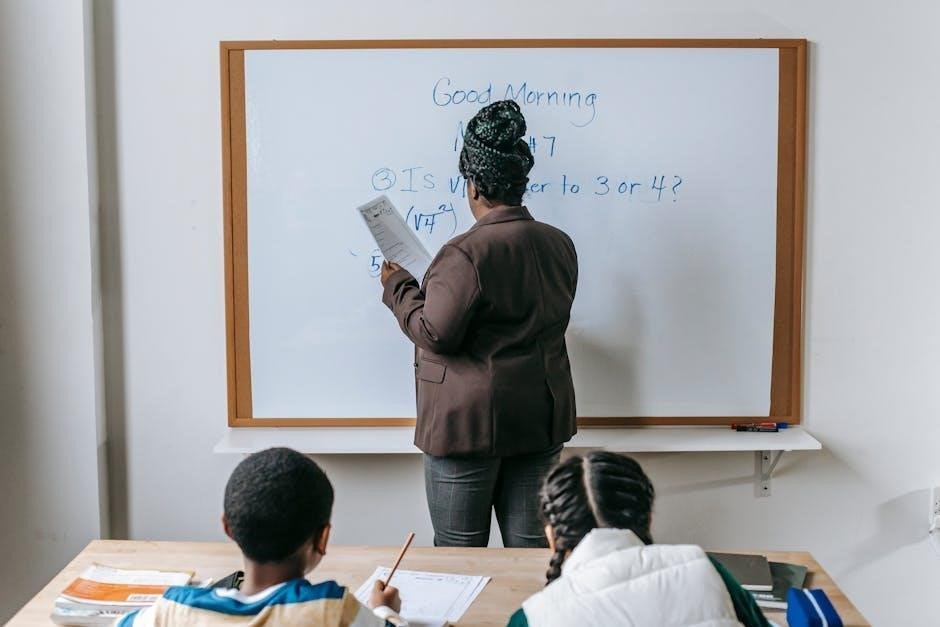
Addressing these program-wide issues necessitates increased training and collaboration between teachers‚ assistants‚ and administrative staff․
The district’s success hinges on effectively utilizing all available resources and ensuring instructional assistants are well-equipped to meet student needs․
Related Posts

shipper letter of instruction pdf
Need a Shipper’s Letter of Instruction? Download our easy-to-use, customizable PDF template for free! Simplify your shipping process today. Get started now!

form 8915-f instructions
Simplify Form 8915-F! Get clear, easy-to-follow instructions and expert tips for disaster-related distributions. This comprehensive Form 8915-F Guide makes tax filing straightforward. Start now!

monobond plus instructions
Discover detailed installation and usage tips for Monobond Plus. Learn how to master Monobond Plus today!