vastus medialis exercises pdf
Vastus Medialis Exercises: A Comprehensive Guide
Discover a wealth of VMO exercises! PDF resources offer detailed guides, while physiotherapists provide personalized plans for optimal knee health and strength.
Understanding the Vastus Medialis (VMO)
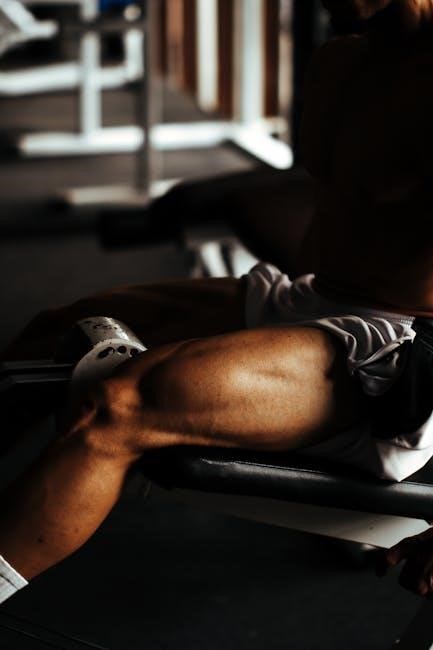
The vastus medialis, often called the VMO, is a crucial component of the quadriceps femoris muscle group, located on the inner thigh. It originates from the intertrochanteric line and linea aspera of the femur, converging with the other quadriceps muscles – vastus lateralis, vastus intermedius, and rectus femoris – to form the quadriceps tendon. This tendon then connects to the patella (kneecap) via the patellar ligament.
Understanding its anatomy is key to effective training. The VMO plays a unique role in knee extension, particularly during the final degrees of straightening, helping to “lock” the knee into full extension. Many PDF resources detail this anatomy, offering visual aids to pinpoint its location and understand its fiber orientation. It’s not a separate muscle, but a portion of the vastus medialis, with oblique fibers contributing to patellar tracking.
Effective VMO exercises, often found in downloadable guides, aim to strengthen this specific area, improving knee stability and function.
VMO Function and Importance
The vastus medialis oblique (VMO) is vital for proper knee function, extending the knee and contributing significantly to patellar tracking – how the kneecap moves within the groove. Its activation during terminal knee extension, essentially “locking” the knee, is crucial for stability during activities like walking, running, and jumping. Weakness in the VMO can lead to altered biomechanics and increased risk of injury.
Many PDF resources emphasize the VMO’s role in preventing patellofemoral pain syndrome (PFPS), a common knee issue. Strengthening the VMO helps maintain proper alignment, reducing stress on the kneecap joint. It works in synergy with the other quadriceps muscles, but targeted exercises can enhance its contribution.
Understanding this function is key when selecting VMO exercises. Guides often highlight exercises that emphasize the inner thigh, promoting balanced quadriceps development and optimal knee health. Proper VMO function is essential for athletic performance and everyday activities.
VMO and Knee Stability
Knee stability relies heavily on the dynamic interplay of muscles, ligaments, and joint structure, with the vastus medialis playing a critical role. Specifically, the VMO contributes to controlling patellar movement, preventing excessive lateral (outward) tracking, which can cause pain and instability. PDF resources frequently detail how a strong VMO helps maintain proper alignment during functional movements.
Exercises targeting the VMO, as outlined in many guides, aim to improve this control. This is particularly important for individuals recovering from knee injuries or those with PFPS. Strengthening the VMO enhances the knee’s ability to absorb shock and maintain stability during weight-bearing activities.
Sling-based exercises, often described in detailed VMO exercise PDFs, are designed to challenge the VMO in a controlled manner, promoting stability. A balanced quadriceps, with a strong VMO component, is fundamental for long-term knee health and preventing future injuries.
Effective Exercises for VMO Activation
Explore targeted VMO exercises! PDF guides showcase terminal knee extensions, squats, lunges, and step-ups for optimal activation and strength gains.
Terminal Knee Extension Exercises
Terminal knee extension exercises are crucial for VMO activation, focusing on the final 15-30 degrees of knee straightening. These exercises specifically target the vastus medialis oblique (VMO), a key stabilizer for the patella. Many PDF resources detail variations, often utilizing resistance bands or light weights to increase intensity.
A common technique involves sitting with your back supported and slowly extending your knee against resistance, concentrating on fully locking out the joint. Another effective method is performing extensions while standing, emphasizing controlled movement. PDF guides often illustrate proper form to prevent injury and maximize VMO engagement.
These exercises are particularly beneficial during early knee rehabilitation, helping restore function after injury. They aid in “locking out” the knee, a function primarily driven by the VMO. Remember to consult PDF materials and potentially a physiotherapist to ensure correct execution and progression, avoiding overexertion and promoting optimal results.
VMO Focused Squats
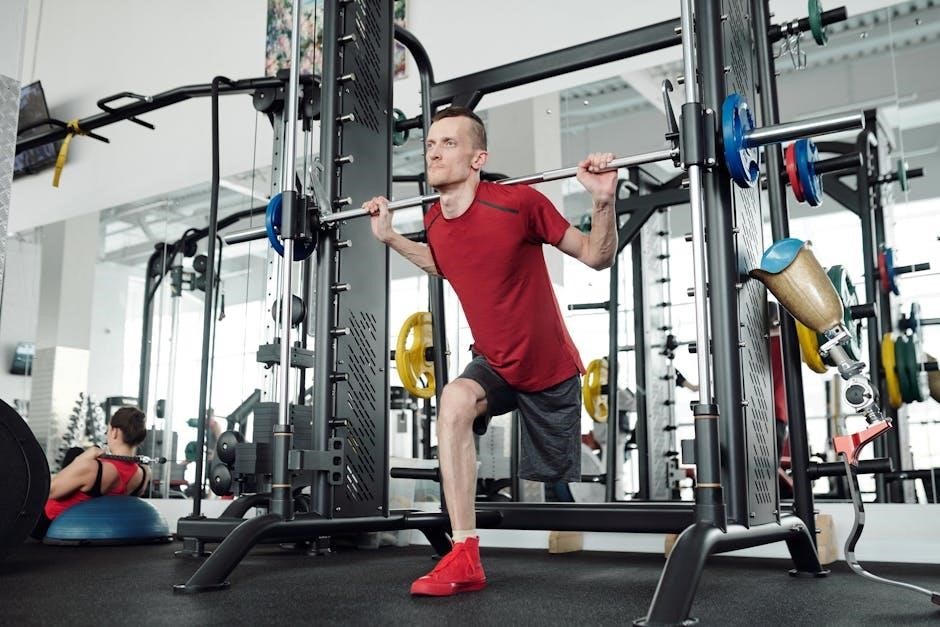
VMO-focused squats are a cornerstone of quadriceps development, but require mindful technique to maximize vastus medialis engagement. Standard squats work the entire quad group, however, modifications can emphasize the VMO; Many PDF resources highlight the importance of controlled descent and a slight outward tracking of the knees during the squat.
Variations like narrow-stance squats and tempo squats (slowing the eccentric phase) can increase VMO activation. PDF guides often recommend focusing on initiating the movement with the hips and maintaining a neutral spine. Split squats, detailed in several PDFs, are also excellent, demanding greater VMO control for stability.
Beginners should start with bodyweight squats, gradually adding resistance as strength improves. Proper form is paramount; PDF materials emphasize avoiding knee valgus (knees caving inward). Remember to consult PDFs and a professional to tailor the exercise to your individual needs and prevent injury, ensuring effective VMO strengthening.
Lunges and VMO Engagement
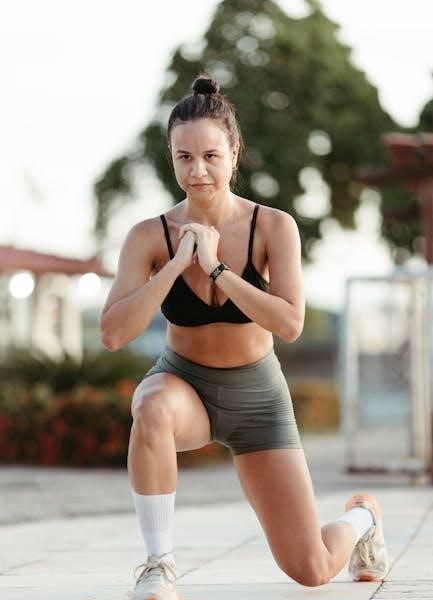
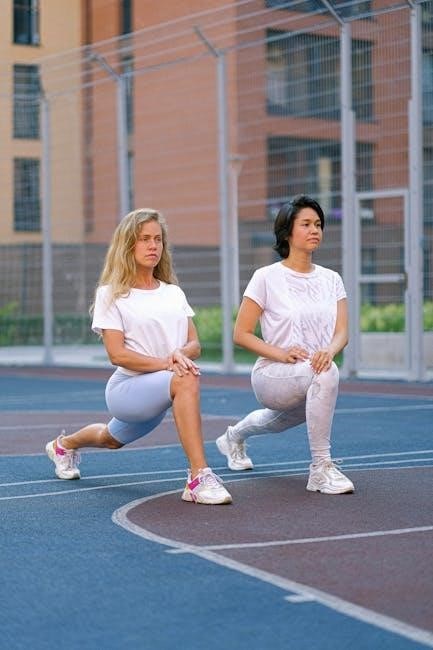
Lunges are a highly effective exercise for strengthening the vastus medialis, demanding both strength and stability. Numerous PDF resources detail various lunge modifications to specifically target the VMO. Forward lunges, reverse lunges, and walking lunges all contribute, but technique is crucial.
PDF guides often emphasize maintaining an upright torso and preventing the front knee from extending past the toes. A slight outward tracking of the knee during the lunge can further enhance VMO activation. Split squats, closely related to lunges, are frequently featured in PDFs as a progression.
Adding resistance – dumbbells, barbells, or resistance bands – increases the challenge. PDF materials recommend starting with bodyweight lunges to master form before adding weight. Pay attention to the “teardrop” muscle feeling engaged throughout the movement. Always consult PDFs and a qualified professional for personalized guidance and to avoid potential injuries, maximizing VMO benefits.
Step-Ups for Targeted Activation
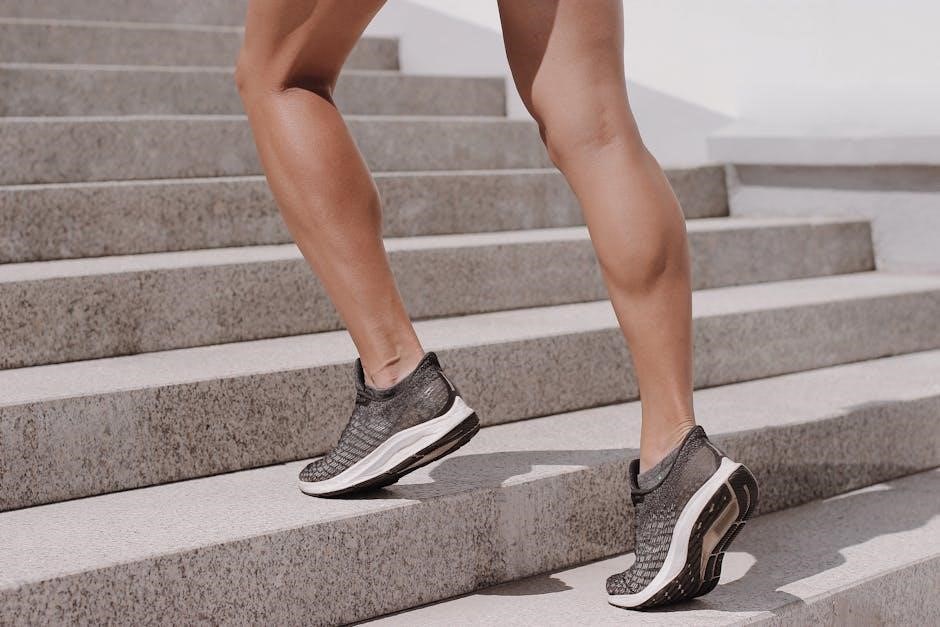
Step-ups are a fantastic exercise for VMO activation, offering a functional movement pattern that mimics everyday activities. Many PDF resources showcase step-up variations, emphasizing controlled ascent and descent. The height of the step is a key factor; starting lower and gradually increasing height is recommended in PDF guides.
Focus on driving through the heel of the stepping foot, actively engaging the quadriceps, and particularly the vastus medialis. PDF materials often highlight the importance of maintaining proper knee alignment – preventing inward collapse. Adding weight, such as dumbbells, intensifies the exercise, as detailed in several PDFs.
Lateral step-ups, also covered in PDFs, further challenge the VMO by requiring greater hip stability. Remember to prioritize form over speed or weight. Consulting PDFs alongside a physical therapist ensures correct technique and minimizes injury risk, maximizing the VMO strengthening benefits of step-ups.
Advanced VMO Strengthening Techniques
Explore sling-based and kinetic chain exercises! PDFs detail advanced protocols, enhancing VMO activation and stability for peak performance and rehabilitation.
Sling-Based Exercises for VMO
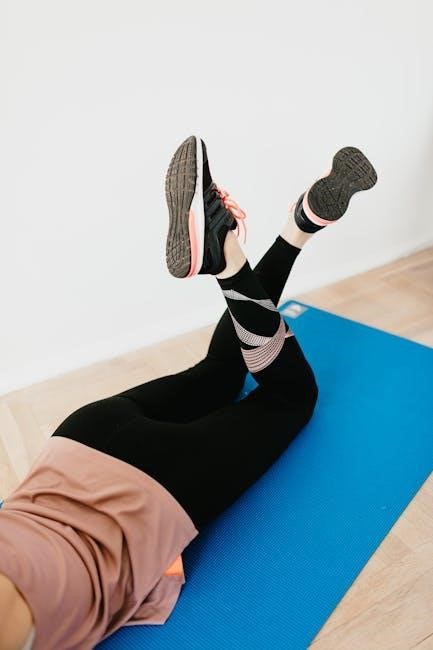
Sling-based exercises represent a compelling avenue for targeted Vastus Medialis Oblique (VMO) activation, particularly beneficial for individuals navigating patellofemoral pain syndrome. These techniques utilize suspension systems – often employing straps or specialized equipment – to create a dynamic and adjustable resistance profile.
PDF resources frequently illustrate variations, including open and closed kinetic chain exercises performed within the sling. Electromyography (EMG) studies, as highlighted in research, demonstrate increased VMO activity during specific sling-based knee extension and hip adduction movements. This is because the sling’s instability necessitates greater muscular control and engagement from the VMO to maintain proper joint alignment.
Key benefits include reduced joint stress, enhanced proprioception, and the ability to progressively challenge the VMO as strength improves. PDF guides often provide detailed instructions on proper setup, execution, and progression, emphasizing the importance of controlled movements and avoiding compensatory patterns. These exercises are often recommended as part of a comprehensive rehabilitation program, complementing traditional strengthening techniques.
Open Kinetic Chain Exercises
Open kinetic chain (OKC) exercises for the Vastus Medialis Oblique (VMO) involve movement at the knee joint while the foot is free and not bearing weight. PDF resources commonly feature examples like leg extensions and terminal knee extensions, designed to isolate and strengthen the VMO during the final degrees of knee extension – crucial for “locking out” the knee.
These exercises are often incorporated into rehabilitation programs following knee injuries or surgery. PDF guides emphasize the importance of controlled movements and proper form to maximize VMO activation and minimize stress on the joint. Research suggests that OKC exercises, particularly those focusing on terminal knee extension, can effectively enhance VMO recruitment.
Sling-based OKC exercises, as detailed in studies, further amplify VMO engagement due to the added instability. PDFs often provide progressions, starting with lighter resistance and gradually increasing the load as strength improves. Remember to prioritize quality of movement over quantity, ensuring full control throughout the exercise.
Closed Kinetic Chain Exercises
Closed kinetic chain (CKC) exercises for the Vastus Medialis Oblique (VMO) involve the foot being fixed on a surface while the knee and hip move. PDF resources frequently showcase squats, lunges, and step-ups as prime examples, emphasizing their ability to engage multiple muscle groups simultaneously, promoting functional strength;
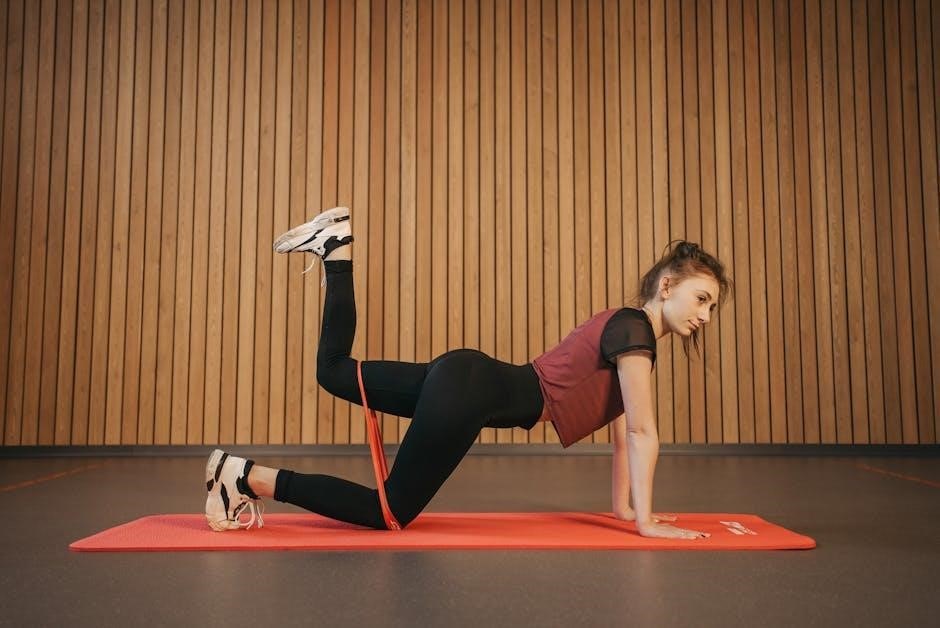
These exercises are considered highly beneficial for overall knee stability and are often preferred during later stages of rehabilitation. PDF guides highlight the importance of maintaining proper alignment – preventing knee valgus (knock-knees) – to ensure optimal VMO activation. Studies demonstrate that CKC exercises can effectively improve VMO function and reduce pain in individuals with patellofemoral pain syndrome.
PDFs often detail variations like split squats to further target the VMO. Progressive overload, gradually increasing resistance or complexity, is key. Remember, controlled movements and proper form, as illustrated in PDFs, are paramount for maximizing benefits and minimizing injury risk.
Exercise Considerations & Progression
PDFs emphasize starting slowly with proper form, then progressively increasing resistance. Resources detail addressing patellofemoral pain, ensuring safe and effective VMO strengthening.
Starting Slowly and Proper Form
Prioritizing correct form over intensity is paramount when initiating vastus medialis exercises, as detailed in numerous PDF guides. Begin with a reduced range of motion, focusing on controlled movements to establish a neuromuscular connection with the VMO. Many resources advocate for initiating exercises without added weight, utilizing bodyweight variations like gentle terminal knee extensions or modified squats.
PDF materials consistently highlight the importance of maintaining proper alignment throughout each exercise. This includes ensuring the knee tracks over the second toe, avoiding valgus or varus collapse, and engaging the core for stability. Starting “sloooowly” – as emphasized by SET FOR SET – allows for mindful execution and minimizes the risk of compensatory movements.
Focus on feeling the muscle contract, rather than simply completing repetitions. PDFs often include visual cues and detailed instructions to aid in proper form. Ignoring proper form can lead to inefficient activation and potentially exacerbate existing knee pain, hindering progress and increasing injury risk. Gradual progression, guided by PDF recommendations, is key to building VMO strength safely and effectively.
Progressive Overload for VMO Growth
PDF resources consistently emphasize progressive overload as crucial for stimulating VMO hypertrophy and strength gains. This principle involves gradually increasing the demands placed on the muscle over time. Initially, this might mean increasing repetitions within a set, then progressing to adding sets. As strength improves, external resistance – such as ankle weights or resistance bands – can be incorporated, as detailed in many PDF exercise guides.
PDF materials often suggest a structured approach, increasing weight or resistance by small increments (e.g., 1-2 lbs) each week, provided proper form is maintained. Monitoring your body’s response is vital; pain signals indicate a need to reduce the load or modify the exercise. The Steel Supplements article highlights the importance of understanding muscle anatomy for effective training.
Sling-based exercises, discussed in PMC studies, offer a unique avenue for progressive overload by altering the angle and resistance. PDFs often provide detailed progression plans for these techniques. Remember, consistent, incremental challenges are more effective than sporadic, maximal efforts. Prioritize controlled progression to maximize VMO development and minimize injury risk.
Addressing Patellofemoral Pain Syndrome
PDF guides frequently address VMO strengthening as a key component in managing Patellofemoral Pain Syndrome (PFPS). The PMC study on sling-based exercises specifically investigates their impact on patients with PFPS, demonstrating potential benefits through targeted VMO activation. Many PDF resources emphasize that a weak or inhibited VMO can contribute to improper patellar tracking, exacerbating pain.
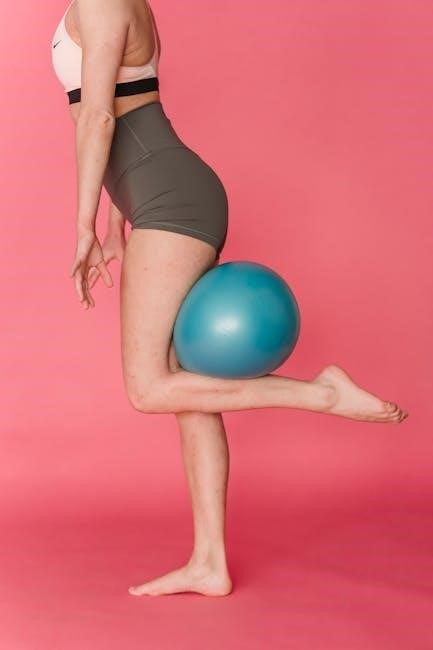
Exercises detailed in these PDFs often focus on terminal knee extension and controlled squats, aiming to improve VMO function and stabilize the patella. However, it’s crucial to note that PFPS is often multifactorial, and VMO strengthening is rarely a standalone solution. PDF materials often recommend a holistic approach, including addressing muscle imbalances, flexibility, and biomechanical factors.
Bend Mend Physiotherapy suggests consistent exercise is key, but also highlights the importance of professional guidance. PDFs should not replace a proper diagnosis and treatment plan from a qualified healthcare professional. Carefully follow the progression guidelines within the PDF, and discontinue if pain increases.
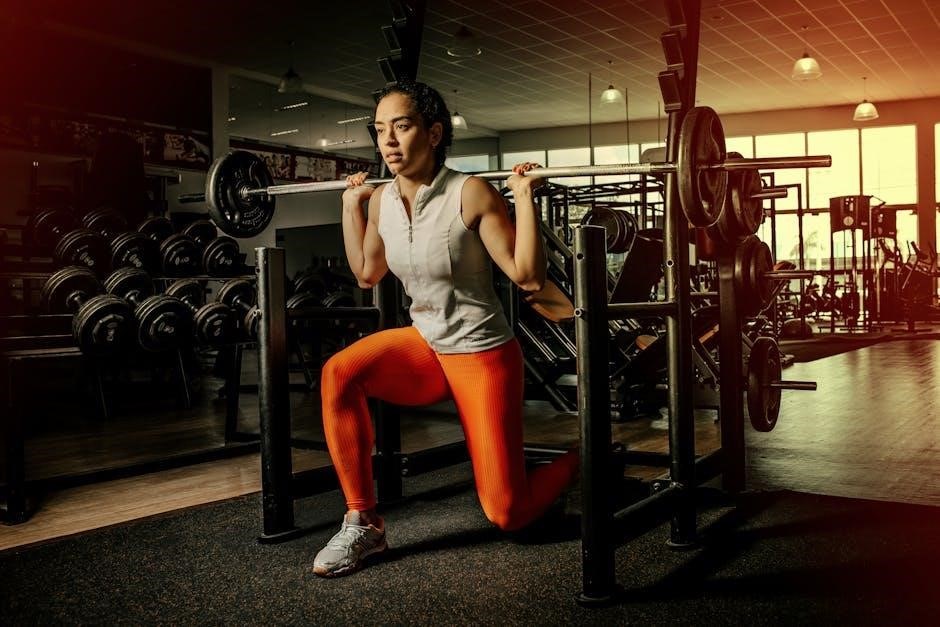
VMO Isolation: Myth or Reality?
PDF resources and ScienceDirect research indicate truly isolating the VMO is challenging. Quadriceps function is interconnected; focus on overall strength, not sole VMO work.
Challenges of Isolating the VMO
Attempting to isolate the vastus medialis oblique (VMO) presents significant hurdles, as highlighted in research available through ScienceDirect and discussed within various PDF exercise guides. The VMO doesn’t operate in isolation; it’s intrinsically linked to the broader quadriceps muscle group – vastus lateralis, vastus intermedius, and rectus femoris.
Electromyography (EMG) studies, like those detailed in the PMC cross-over study on sling-based exercises, demonstrate that any knee extension movement invariably activates all four quadriceps muscles simultaneously. While specific exercises can emphasize VMO engagement, completely isolating it proves elusive. The shared innervation and biomechanical interplay make selective activation exceptionally difficult.
PDF resources often acknowledge this, advocating for comprehensive quadriceps training rather than solely focusing on VMO-specific drills. The anatomical structure, with all four muscles converging into a single quadriceps tendon and patellar ligament, further complicates isolation efforts. Therefore, a holistic approach to strengthening the entire quadriceps complex is generally more effective and functional.
Importance of Quadriceps as a Whole
While focusing on the vastus medialis oblique (VMO) is common, particularly in rehabilitation – as detailed in PDF resources for knee rehab – prioritizing the entire quadriceps muscle group is paramount for optimal function and injury prevention. The quadriceps, comprised of the vastus lateralis, vastus intermedius, vastus medialis, and rectus femoris, work synergistically.
Strengthening all four muscles ensures balanced knee joint mechanics and stability. As emphasized by Steel Supplements, exercises like squats are “king” for overall leg development, engaging the entire quadriceps complex. Ignoring the vastus lateralis or intermedius, for example, can create imbalances and potentially exacerbate patellofemoral pain.
Effective training programs, often outlined in comprehensive PDF guides, incorporate exercises that target the entire quadriceps, rather than solely attempting VMO isolation. This holistic approach promotes functional strength, power, and endurance, contributing to improved athletic performance and everyday movement patterns. A strong, balanced quadriceps is crucial for overall lower body health;
Resources & Further Information
Explore detailed VMO exercise PDF guides for structured routines. Consult a physiotherapist for personalized assessment and tailored programs to address specific needs.
PDF Resources for Vastus Medialis Exercises
Numerous downloadable PDF resources provide structured vastus medialis (VMO) exercise programs. These guides often detail specific routines for various rehabilitation stages, from early knee recovery to advanced strengthening. Many resources categorize exercises based on difficulty, allowing individuals to progress safely and effectively.
Expect to find detailed illustrations and step-by-step instructions within these PDFs, ensuring proper form and technique. Some guides focus on exercises utilizing minimal equipment, making them accessible for home workouts. Others incorporate resistance bands or light weights for progressive overload.
Look for resources from reputable physiotherapy clinics or sports medicine organizations to ensure accuracy and safety. These PDFs frequently include information on common mistakes to avoid and modifications for individuals with specific conditions, like patellofemoral pain syndrome. Remember to always listen to your body and consult with a healthcare professional before starting any new exercise program, even with a guided PDF.
Consulting with a Physiotherapist
While PDF resources offer valuable exercise guidance, a physiotherapist provides personalized assessment and treatment plans. They can accurately diagnose the root cause of knee pain or weakness, determining if VMO-focused exercises are appropriate for your specific condition. A professional evaluation ensures exercises are tailored to your individual needs and biomechanics.
Physiotherapists can demonstrate correct exercise form, minimizing the risk of injury and maximizing effectiveness. They’ll progress your program strategically, adjusting intensity and complexity as you gain strength and stability. They can also address any underlying muscle imbalances or movement patterns contributing to your issues.
Furthermore, a physiotherapist can integrate VMO exercises into a comprehensive rehabilitation program, addressing other aspects of knee health, such as flexibility, proprioception, and functional movement. Don’t solely rely on PDF guides; professional guidance optimizes your recovery and prevents future problems. They can also help interpret information found in exercise PDFs.
Related Posts
free printable black history skits and plays for church pdf
Inspire your congregation! Download free, printable Black History skits & plays for church performances. Powerful stories, easy to use – get your PDF now!

asi se dice level 2 textbook pdf
Need the *Así Se Dice* Level 2 textbook PDF? Get instant, reliable access to learning materials right here! Boost your Spanish skills today – it’s easy and free!

aircraft weight and balance pdf
Master aircraft weight and balance calculations! Download our free PDF guide for pilots & maintenance pros. Ensure flight safety & compliance. Get it now!